


Colors
Milo Biotech: Your Premier Amino Acids Supplier
One Stop Solution
We are China's leading professional raw material supplier with more than 10 years of export experience, providing manufacturers with one-stop supply solutions from raw materials to delivery.
Quality Assurance
We have a technical team with professional knowledge and experience to strictly manage and test raw materials, and our products comply with international certification systems and standards.
Fast Delivery
We work with a range of logistics providers to provide our customers with fast, reliable, cost-effective shipping and distribution services, with delivery times typically being 1-2 weeks.
Wide Business Coverage
Our customers come from America, Europe, Asia and Australia. We support not only the world's top manufacturers, brands and distributors, but also small businesses and startups in these industries.


Beta carotene, also known as provitamin A, is a powerful antioxidant like vitamin C and vitamin E. It helps neutralize free radical molecules that damage basic cell structures in the body. It’s the most well-known precursor to vitamin A and the most abundant of the 600+ carotenoids. Beta carotene is a highly pigmented, fat-soluble compound that gives red, orange, and yellow plants their color.
Beta carotene transforms into the active form of vitamin A in the intestines and liver. Vitamin A, also known as retinol and retinal, is a potent antioxidant that supports cognitive function, eye health, skin health, and more. Vitamin A can be toxic if taken in excess. However, beta carotene does not convert into retinol rapidly enough for acute toxicity, which is why some multivitamin manufacturers rely on beta carotene as a source of vitamin A.

Features of Pure Beta Carotene Powder

01
Rich in Beta Carotene
Our beta carotene powder is loaded with 10% beta carotene sourced from Dunaliella salina, a marine alga. Beta carotene is known to make Vitamin A, which is essential for our bodily functions. Vitamin A helps to support the skin, immune system, and eye health.

02
Easy to Swallow
Make life easier by using our easy to swallow beta carotene powder while still boosting your beta carotene intake. We use a very fine powder with a neutral taste for our specialist blend, making our beta carotene powder the perfect alternative to hard-to-swallow capsules.

03
A Touch of Amber
Add a splash of color to your favorite food and drinks by using our bright orange-colored beta carotene powder. The beta carotene powder will rapidly dissolve into your smoothies, yogurts, and much more, making this a natural alternative to synthetic food dyes.

04
Non-GMO, Natural
All of our products are completely natural and vegan friendly. The beta carotene powder contains Dunaliella salina derived from non-GMO sources, and we can assure you that we only use the purest and premium ingredients in our products.
Health Benefits of Pure Beta Carotene Powder
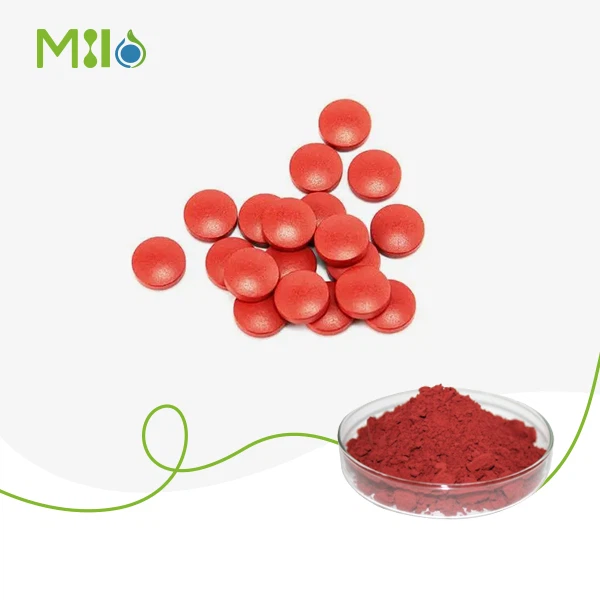
Eye Health
Research has found that eating a carotenoid-rich diet, including beta-carotene, supports eye health and prevents eye diseases. Studies have shown that people with high blood levels of carotenoids may reduce their risk of macular degeneration by up to 35 percent.
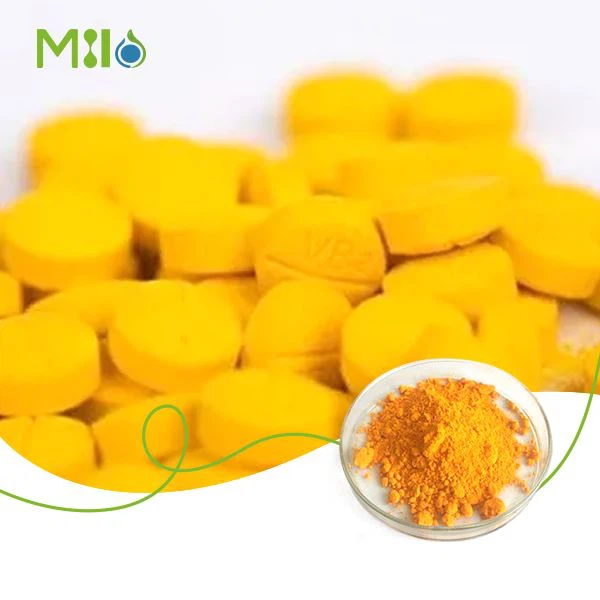
Improved Cognitive Function
There is evidence that beta carotene, like other antioxidants, may improve memory and cognitive function. A review of multiple studies found that long-term beta carotene supplementation had positive effects on cognitive function and memory.
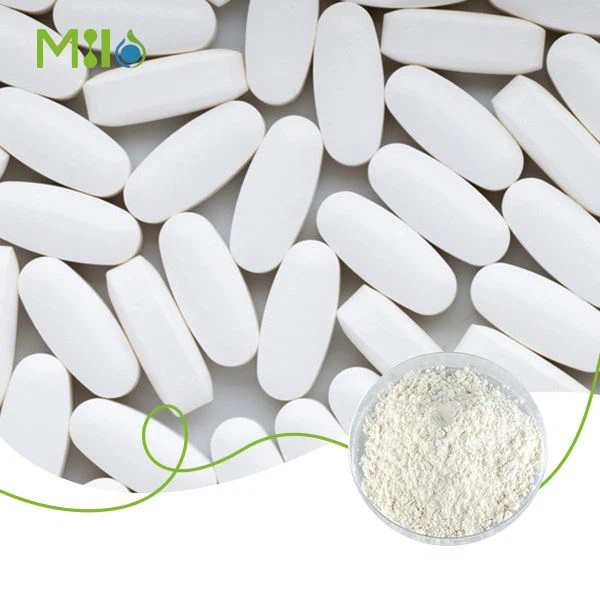
Skin Protection
Research has shown that antioxidants, including beta carotene, can help maintain skin health and appearance, and may protect the skin against UV radiation from the sun.
Cancer Prevention
Researchers have found that a diet high in beta carotene and other antioxidants may reduce the risk of certain cancers, including breast cancer, lung cancer, and pancreatic cancer.

Dosage and Administration of Pure Beta Carotene Powder
Pediatric
- Children should eat a healthy diet to make sure they get enough beta-carotene.
- For children younger than 14 with erythropoietic protoporphyria (see Treatment section for brief description of this condition), your doctor can measure blood levels of beta-carotene and tell you the right dose.
Adult
- There is no Recommended Daily Allowance of beta-carotene. Some doctors may prescribe between 10,000 IU per day up to 83,000 IU. Try to get most of your daily dose from the foods you eat. Eating more fruits and vegetables will ensure you get enough beta-carotene, and will also give you the added benefits of other nutrients and antioxidants.
- Eat 5 or more servings of fruits and vegetables every day to get about 3 to 6 mg of beta-carotene.
- For adults with erythropoietic protoporphyria, a doctor can measure blood levels of beta-carotene and tell you the right dose.
Origin:
Several organic raw materials are used to make up vegetable charcoal. Their common point is their wealth of charcoal. It can be:
- Wood bark
- Plant residue
- Walnut shells (especially coconut)
- Kernels
To obtain the activated vegetable charcoal, these organic products are carbonized until one obtains a black powder. The calcination treatment takes place in two stages: the raw material is first exposed to very high temperatures (between 600 and 900 ° C), without oxygenation. Then a second calcination is carried out to activate the benefits of charcoal and optimize its porosity.
How Does it Work:
Due to its porous nature, charcoal has a high adsorption capacity. Therefore, it takes action within the body by capturing and retaining undesirable substances (impurities, toxins, gases, etc.) on its surface and by promoting their evacuation through the digestive tract or the kidneys.


1.It is rarely utilized alone in food as it offers an intense black color. This color is suitable for specific varieties of confectionery like desserts or ice. Nevertheless, it can be used as a shading agent with other colors, hence increasing color intensity.
2.This product has common uses like confectionery, decorations, cheese coating, cosmetics, pharmaceuticals, bakery products, and black caviar substitutes.
3.Products such as jam crystals, jelly crystals, and licorice are among the food and drinks that come under its category.
What are the benefits of vegetable charcoal

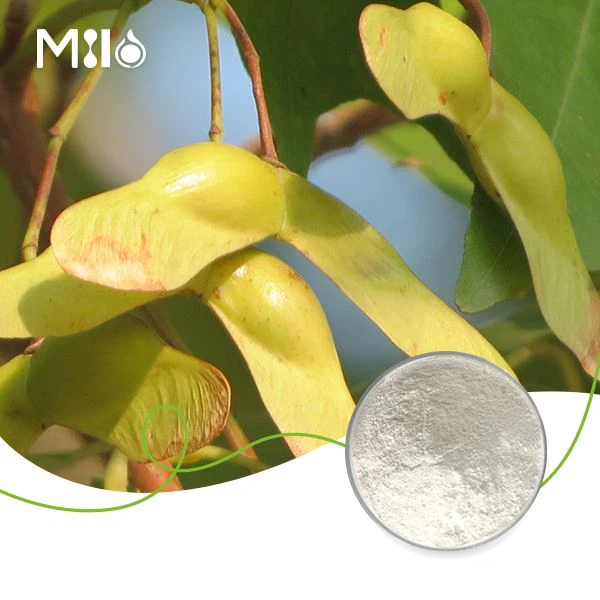


There are several virtues of activated vegetable charcoal.
Detoxify the Body: It makes it easy to evacuate waste and toxins through the stool.
Promote the Proper Functioning of the Intestines: Activated charcoal mostly limits problems related to bloating. Gases that may stagnate in the digestive tract are attracted by the charcoal which binds it and directs it outside.
Reduce Skin Discomfort: Used as an active agent in cosmetic products (mask, scrub), vegetable charcoal cleanses and purifies the skin by capturing and getting rid of the impurities present on the upper layer of the epidermis.
There is Another Benefit of Charcoal Which Concerns Teeth: When added as a pure substance to toothpaste, charcoal acts as a polish. Vegetable carbon has the ability to whiten teeth and prevent tartar. However, these properties are not scientifically proven and precautions while using are important, to avoid damaging the enamel.
Production Process of Vegetable Carbon Black Powder
Vegetable carbon black is a type of carbon black made from plant raw materials and is commonly used in industries such as pigments, rubber, plastics, and inks. Its production process mainly includes the following steps:
Raw Material Selection: Choose plant raw materials suitable for making vegetable carbon black powder, such as pine, bamboo, elm, etc. The choice of raw materials has a great impact on the quality and performance of the product.
Carbonization: Heating raw materials to a high temperature to remove moisture and impurities. Different methods such as retorting, heating and pyrolysis can be used.
Calcination Treatment: Put the carbonized raw materials into the furnace for calcination, which is a key step in the production of vegetable carbon black powder. The calcination temperature is usually between 800°C and 1000°C, and the calcination time is about 1 to 2 hours. During the calcination process, the raw materials will produce gases and liquids, the gases will be collected for recycling, and the liquids will be cooled and converted into carbon black.
Grinding Treatment: Grind the calcined carbon black into powder for subsequent processing.
Packaging and Storage: Put vegetable carbon black powder into packaging bags and store in a dry and cool place.
- CAS: 11006-34-1
- MDL Number: MFCD00012149
- Specification: 90%~95%
- Formula: C34H29CuN4Na3O6
- Molecular Weight: 722.13 g/mol
- Appearance: Dark green powder
- Package: 25kg/drum or as per customer's request

Features & Benefits of Sodium Copper Chlorophyllin Powder

Antioxidant
Chlorophyllin has demonstrated antioxidant effects, it can neutralize several physically relevant oxidantsin vitro and limited data from animal studies suggest that chlorophyllin supplementation may decrease oxidative damage induced by chemical carcinogens and radiation.
Aflatoxin-B1Blocker
A study completed by the Linus Pauling Institute showed that chlorophyllin and chlorophyll were equally effective at blocking uptake of aflatoxin-B1 in humans. Aflatoxin-B1 is metabolized to a carcinogen capable of binding DNA and causing mutations.


Colorant
Sodium Copper Chlorophyllin is highly soluble in water and can be used to impart a vivid natural green color in dietary supplements (tablets + capsules), and personal care products.
Internal Deodorant
Sodium Copper Chlorophyllin may help to reduce digestive tract odors related to a colostomy, ileostomy, or incontinence and may help to reduce odor related to halitosis.

What is Sodium Copper Chlorophyllin used for
Sodium copper chlorophyllin (SCC) has several uses across various industries. Here are some typical applications of SCC:
Food and Beverage Industry: SCC is a natural food coloring agent. It imparts a green color to food and beverages and is often used in candies, desserts, ice creams, and drinks.
Cosmetic Industry: SCC is used in cosmetics and personal care products for its colorant properties. It can be found in various skincare and makeup products, including creams, lotions, soaps, and lipsticks, providing a green hue.
Oral Care Products: SCC is used in oral care products, such as mouthwashes and kinds of toothpaste, for its potent antimicrobial properties. It is believed to help combat bad breath and reduce oral bacteria.
Wound Healing and Deodorizing Products: SCC is sometimes incorporated into wound healing and deodorizing products due to its potent antibacterial properties. It is used in certain creams, ointments, and sprays for wound care and odor control.
Dietary Supplements: SCC is available as a dietary supplement, often marketed for potential health benefits. It is sometimes used as a source of chlorophyll and as a supplement for supporting detoxification processes and overall well-being.
Preparation process of Sodium Copper Chlorophyllin Powder
Acid Copper Placing Method
First, the raw materials are pretreated. At constant temperature, ethanol is used to extract the raw materials. After obtaining the dark green solution, NaOH solution is added for saponification, PH is adjusted, and constant temperature reflux is performed. After cooling, extract with petroleum ether. Adjust the pH of saponification solution, add CuSO under constant temperature, copper the solution, filter and wash for many times. Dissolve the precipitate with acetone, adjust the pH with NaOH solution until the crystals are separated out to obtain the product.
Ultrasonic Method
Ultrasonic assisted technology is one of the most widely used in the field of natural plant extraction in recent years A new efficient extraction method. That is to say, ethanol is used as the extracting agent, ultrasonic wave is used to extract the raw materials for 20-30min, extracting for 2-3 times, and ultrasonic saponification for 20-30min. Other processes of this method are consistent with the route.
Supercritical Co2 Extraction Method
Put the raw materials into the extraction kettle after pretreatment, seal, heat up and pump CO2 gas, add 90% ethanol as the entrainer, and extract chlorophyll. The fluid containing chlorophyll is separated by CO2 in a separating kettle to obtain the extract.
Copper Ammonia Method
After the raw materials are leached and saponified, copper ammonia complex is added into the saponified solution Stir and drop ammonia to adjust the pH, and then carry out copper reaction. After filtering the reaction solution, add it into the ethanol solution containing NaOH, adjust the PH to precipitate crystals, filter and dry to obtain dark green metallic luster copper sodium chlorophyll.
Our Factory
Shaanxi Milo Biotech Co., Ltd. is a global, technical and professional nutritional health supplement company with complete production processes and standardized inspection processes to ensure product quality and consistency.
Feel free to put 3-4 factory pictures:


Our Certificate
We have passed the international certification system, obtained industry certificates, provided customers with high-quality products, and can also provide customers with third-party testing reports.
Certificate picture:


Frequently Asked Questions
Q: What is beta carotene powder used for?
Q: What is the best form of beta-carotene?
Q: Is it OK to take beta-carotene everyday?
Q: Is taking beta-carotene the same as taking vitamin A?
Q: What are the side effects of too much beta-carotene?
Q: Is beta-carotene good for anti aging?
Q: Is it better to take beta-carotene at night or day?
Q: Where does vegetable carbon come from?
Q: Is vegetable carbon natural?
Q: Is vegetable carbon safe?
Q: How is vegetable charcoal made?
Q: What are the benefits of vegetable carbon?
Q: What is the natural color of vegetable carbon?
Q: What is sodium copper chlorophyllin used for?
Q: Is sodium copper chlorophyllin safe to ingest?
Q: What is the difference between chlorophyll and sodium copper chlorophyllin?
Q: Is sodium copper chlorophyllin FDA approved?
Q: Is sodium copper chlorophyllin natural?
Q: Does sodium copper chlorophyllin contain copper?
Q: Where does sodium copper chlorophyllin come from?
Q: How is sodium copper chlorophyllin made?
Q: What is sodium copper chlorophyllin in cosmetic?