Plant Extract
Your Professional Plant Extract Supplier
Shaanxi Milo Biotech Co., Ltd is a global, technical innovation-led and ultimate services-based company professional in Nutrition, Health and Supplements.
Why Choose Us
One Stop Solution
We are China's leading professional raw material supplier , providing customers with one-stop supply solutions from raw materials to delivery.
Quality Assurance
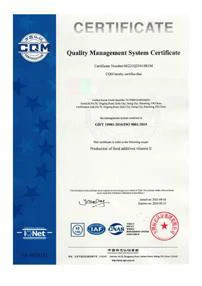
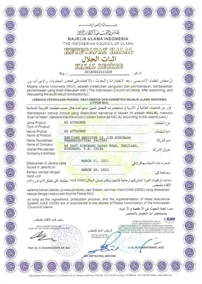
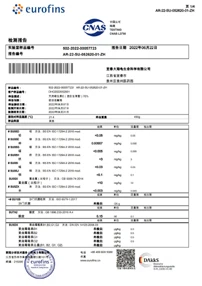
We strictly manage and test raw materials, and our products comply with international certification systems and standards.
Fast Delivery
We work with a range of logistics providers to provide our customers with fast, reliable, cost-effective shipping and distribution services, with delivery times typically being 1-2 weeks.
Sales Market
Our customers come from America, Europe, Asia and Australia. We support not only the world's top manufacturers, brands and distributors, but also small businesses and startups in these industries.

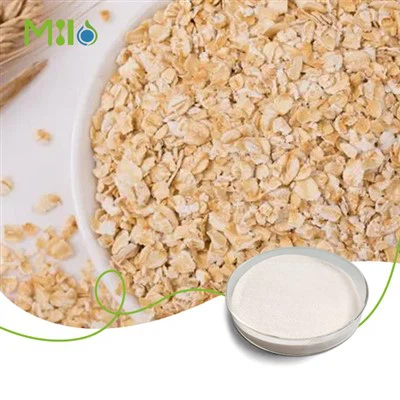
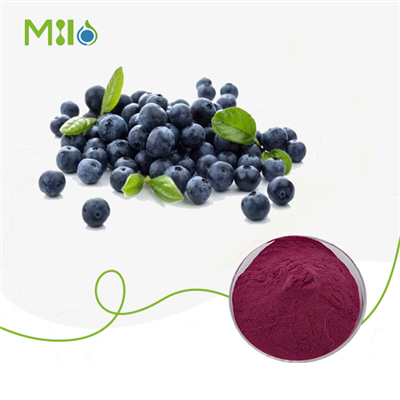


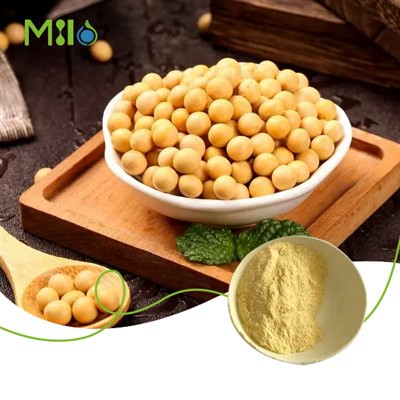


Plant extract refers to a product that is formed through an extraction and separation process where plants are used as raw materials. Generally the original components of the plants are not changed. In some cases, excipients are also used to make the powder or granular products have features like good fluidity and resistance to moisture absorption. There are also a small amount of liquid or oily plant extract products.
Benefits of Plant Extract
Natural and sustainable
These extracts offer more sustainable and environmentally friendly alternatives to synthetic colorants, which are often made from petrochemicals. Consumers are increasingly seeking natural products, and using botanical extracts can help companies meet this demand.
Health benefits
Many botanical extracts have health benefits in addition to their coloring properties. For example, turmeric extract is known for its anti-inflammatory and antioxidant properties. Similarly, anthocyanins have been linked to improved heart health and reduced inflammation.
Customization
They can also be combined with other natural colorants to create custom colors and shades, providing greater versatility and flexibility in product development.
Long-lasting color
Botanical extracts can provide long-lasting color that is resistant to fading and degradation. This is particularly important in products such as cosmetics, where color retention is essential for product performance and customer satisfaction.
Application of Plant Extract

Applications in Food Industry
In the food industry, plant extracts are used in a variety of capacities such as flavorings, colorings, and preservatives, enhancing both the sensory and nutritional qualities of food products. These natural additives offer a safer and often healthier alternative to synthetic chemicals, aligning with the growing consumer demand for clean-label and organic products.

Applications in Cosmetics Industry
The cosmetic industry extensively uses plant extracts for their beneficial properties on the skin and hair, capitalizing on their natural efficacy and consumer appeal for natural and organic ingredients. These extracts, derived from various parts of plants, including leaves, flowers, roots, and seeds, are incorporated into a wide range of beauty and personal care products such as creams, lotions, serums, shampoos, and conditioners.

Applications in Pharmaceutical Industry
Long before pure chemicals were manufactured in labs, people used plants for medicine. Today, there are more than 100 active ingredients derived from plants for use as drugs and medicines. These compounds can provide various health benefits, including antioxidant, anti-inflammatory, and immune-boosting properties.
Process of Plant Extract
Selection of Plant Materials
High-quality plant materials, such as leaves, flowers, bark, or roots, are carefully selected based on their botanical properties and desired compounds. The plants are often sourced from sustainable and ethical suppliers.
Preparing the Plant Material
The selected plant materials undergo preparation, which may involve cleaning, drying and sometimes grinding or cutting them into smaller pieces. This step helps facilitate the extraction process and ensures consistency.
Extraction Method
Various extraction methods are used to extract the beneficial compounds from the plant material. Common extraction methods include:
Solvent Extraction
The plant material is mixed with a suitable solvent, such as ethanol or water, to dissolve the desired compounds. The mixture is then filtered and the solvent is evaporated to obtain the concentrated extract.
Filtration and Purification
After the extraction process, the extract is often filtered to remove any solid particles or impurities. Additional purification steps may be performed to refine the extract and improve its quality.
Precautions and Best Practices in Plant Extract
Location and Ventilation
The location of the laboratory or production area for plant extraction should be carefully chosen. It should be away from areas with high traffic or potential sources of contamination. Good ventilation is crucial. Adequate ventilation systems help to remove fumes, vapors, and dust generated during the extraction process. This can be achieved through the installation of exhaust fans, fume hoods, and proper air ducts.
Protection of Workers from Toxins
Before starting the plant extraction process, it is essential to identify the potential toxic substances present in the plants. Some plants may contain alkaloids, glycosides, or other compounds that can be harmful to human health. For example, certain species of nightshade plants may contain toxic alkaloids.
Protection from Physical Hazards
When using machinery in plant extraction, such as crushers, grinders, or centrifuges, there are potential physical hazards. Moving parts can cause entanglement or crushing injuries. Therefore, machines should be equipped with safety guards. These guards should be in place and properly maintained at all times. Workers should also be trained on how to operate the machinery safely, including proper start - up and shutdown procedures.
Manual Handling Hazards
Manual handling of heavy plant materials or extraction equipment can pose a risk of back injury, strain, or sprain. Workers should be trained in proper lifting techniques, such as bending the knees and keeping the back straight when lifting. Where possible, mechanical aids like forklifts or trolleys should be used to move heavy items.
Our Certificates