Vitamin A
Your Professional Vitamin A Supplier
Shaanxi Milo Biotech Co., Ltd is a global, technical innovation-led and ultimate services-based company professional in Nutrition, Health and Supplements.
Why Choose Us
One Stop Solution
We are China's leading professional raw material supplier , providing customers with one-stop supply solutions from raw materials to delivery.
Quality Assurance
We strictly manage and test raw materials, and our products comply with international certification systems and standards.
Fast Delivery
We work with a range of logistics providers to provide our customers with fast, reliable, cost-effective shipping and distribution services, with delivery times typically being 1-2 weeks.
Sales Market
Our customers come from America, Europe, Asia and Australia. We support not only the world's top manufacturers, brands and distributors, but also small businesses and startups in these industries.


Vitamin A (retinol, retinoic acid) is a nutrient important to vision, growth, cell division, reproduction and immunity. Vitamin A also has antioxidant properties. Antioxidants are substances that might protect your cells against the effects of free radicals — molecules produced when your body breaks down food or is exposed to tobacco smoke and radiation. Free radicals might play a role in heart disease, cancer and other diseases.Vitamin A is found in many foods, such as spinach, dairy products and liver. Other sources are foods rich in beta-carotene, such as green leafy vegetables, carrots and cantaloupe. Your body converts beta-carotene into vitamin A.
Benefits of Vitamin A
Maintains healthy vision
One of vitamin A's most important roles is to preserve and maintain your vision. It helps change the light that hits your eye into an electrical signal that can be sent to your brain.Your body also uses vitamin A to make pigments for your retinas to work well, and moisture for your corneas.
Aids immune system function
Vitamin A strengthens your immune system by supporting white blood cells and the mucus membranes in your lungs, intestines and urinary tract. This helps you ward off infection and toxins (also called free radicals) that cause inflammation and disease.
Reduces your cancer risk
Vitamin A plays a key role in the healthy growth and development of your cells. But no one knows for sure if it also helps lower your risk of developing cancer.Some studies suggest that consuming higher amounts of beta-carotene or vitamin A from plant foods may protect against certain types of cancer, such as non-Hodgkin lymphoma.
Keeps your skin clear
Many people claim vitamin A is an effective treatment for acne and age-related skin changes, including wrinkles and age spots. But it's important to use vitamin A for skin health with care, whether you add vitamin A-rich foods to your diet or use vitamin A-based skin treatments like pills or creams.
Application of Vitamin A
In Food
Vitamin A can be used as nutrition supplements in food.
In Beverage
Vitamin A can be used as nutrition supplements in beverage.
In Pharmaceutical
Vitamin A can be used as Nutritional therapy in Pharmaceutical in treatment of vitamin A deficiency and ulcers, warts, benign breast tumors.
In Health and Personal care
Vitamin A is used as Skin-Conditioning Agent-Miscellaneous; SKIN CONDITIONING in cosmetics.
In Agriculture/Animal Feed/Poultry
Vitamin A can be used as nutritional supplement in Agriculture/Animal Feed/Poultry feed.
In Other Industries
Vitamin A is used in various industries.
Process of Vitamin A
Roche synthesis process (C14 + C6 route)
In Roche synthesis process, β-ionone (C14) and 3-methyl-2-penten-4-yn-1-ol (C6 alcohol) are used as starting materials, so it is also called C14 + C6 route.
BASF synthesis process (C15 + C5)
A typical feature of this process is C15 + C5 route involving a Witting reaction.10. β-Ionone reacts with acetylene to form ethynyl-β-ionol, followed by partial hydrogenation to obtain vinyl-β-ionol. Alternatively, ethynyl-β-ionol could be obtained by direct reaction of β-ionone with a vinyl Grignard.
Rhône-Poulenc route (C15 + C5) to vitamin A acetate
Rhône-Poulenc developed another C15 + C5 route using sulfone as an intermediate. Figure 4.11 represents the reaction process for vitamin A acetate by Rhône-Poulenc synthesis (C15 + C5).
Wittig–Horner route (C15 + C5) to vitamin A acetate
The C14 aldehyde was prepared by that same method as Roche route, and reacted with tetraethyl methylene disphosphonate in strong alkaline environment to obtain a diethyl phosphonate of 3-methyl-5-(2,6,6-trimethyl-1-cyclohexene)-1,4-pentadiene (C15). Diethyl C15 phosphonate reacted with C5 aldehyde in a strongly alkaline environment to give vitamin A acetate.
If using vitamin A products, you MUST use a high quality sunscreen daily.
If you are currently on a Pharmaceautical Grade oral vitamin A we do not recommend that you use any topical forms of vitamin A.
If you are pregnant or breastfeeding it is best to avoid using vitamin A during this time.
Please notify your Dermal Clinician of any changes to your health, medications, supplements or home skin care regime.

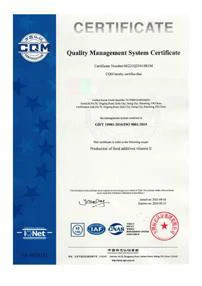
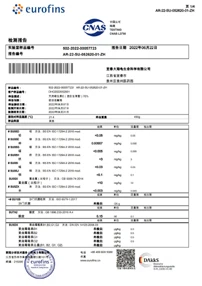
Our Certificates